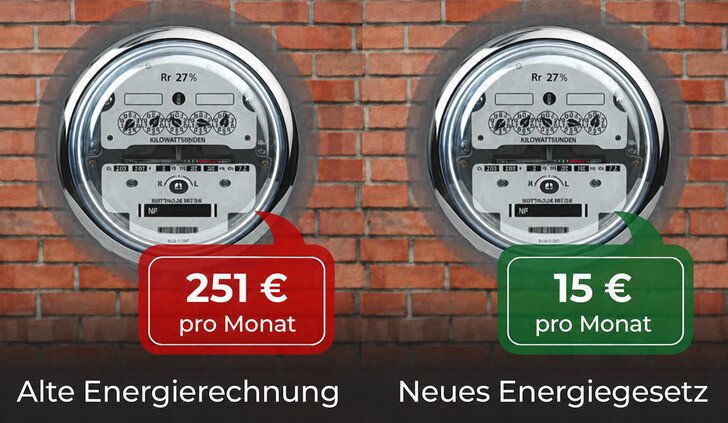
Electricity bills have become a concern for many households across the United States. From running refrigerators and washing machines to powering televisions, computers, and air conditioning systems, everyday energy use can add up quickly. As consumers look for practical ways to manage household expenses, products such as StopWatt have attracted attention.
StopWatt is marketed as a compact, plug-in device designed to help optimize electricity use. Promotional materials claim that it can address electrical disturbances and potentially reduce energy costs. However, before purchasing any energy-saving device, it is important to understand how it is advertised to work, what its limitations may be, and whether its claimed benefits are supported by independent evidence.
In this StopWatt review, we examine its advertised features, intended use, potential advantages, limitations, and important considerations for American households.
What Is StopWatt?
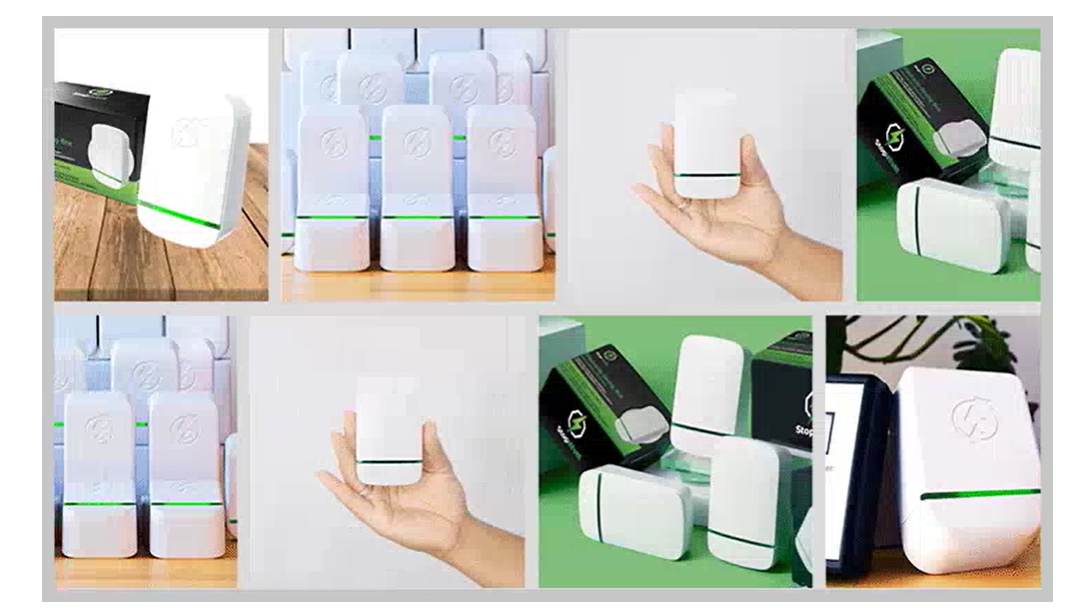
StopWatt is marketed as a small electrical device that plugs into a household outlet. According to its promotional description, the product is designed to help manage electrical disturbances and improve aspects of household electricity use.
The device is presented as a convenient option for consumers who want to explore energy-saving solutions without making major changes to their homes. Its advertised approach emphasizes simple installation rather than complicated equipment or extensive home modifications.
However, it is essential to distinguish between marketing claims and independently verified performance. StopWatt’s promotional materials mention substantial potential electricity savings, including claims of reductions of up to 70%. Such figures should not be treated as guaranteed or typical results without reliable, independent testing that demonstrates how the device performs under real-world household conditions.
How Does StopWatt Claim to Work?
According to its marketing materials, StopWatt works by addressing electrical disturbances and helping optimize electricity consumption. The product is also associated with concepts such as voltage stabilization and reducing unnecessary electrical fluctuations.
To understand these claims, it helps to know that household electricity consumption depends on several factors, including the appliances being used, their efficiency, how long they operate, and the electrical characteristics of the equipment.
Some electrical devices can improve power quality or correct power factor in particular commercial or industrial applications. However, correcting power factor does not automatically reduce the amount of electricity a typical residential customer pays for. In the United States, most residential customers are billed primarily according to the energy they consume, measured in kilowatt-hours (kWh).
A plug-in device cannot be assumed to deliver substantial savings simply because it claims to stabilize electricity or reduce electrical disturbances. Its actual effectiveness would need to be demonstrated through independent testing under clearly defined conditions.
Can StopWatt Reduce Your Electricity Bill?
Whether StopWatt can reduce a household’s electricity bill is an important question for potential buyers.
The manufacturer-associated promotional content advertises savings of up to 70%. However, the available promotional claims do not establish that ordinary American households can consistently achieve this reduction. The product’s own disclaimer also states that its effectiveness has not been officially confirmed and that specific savings are not guaranteed.
For most households, electricity costs are influenced by factors such as:
- The number and type of electrical appliances in the home.
- Heating and cooling requirements.
- Electricity rates charged by the utility or retail electricity provider.
- Appliance efficiency and operating habits.
- Insulation, air leaks, and overall home energy performance.
A reliable way to evaluate any energy-saving product is to compare electricity consumption before and after installation while accounting for weather, occupancy, and changes in appliance use. Ideally, testing should also include an appropriate control condition and independent verification.
Consumers should avoid assuming that a lower bill automatically proves that a particular device caused the reduction.
Key Features Advertised for StopWatt
StopWatt is promoted around several convenience-focused features. These are advertised characteristics, not independent confirmation of performance.
1. Compact Plug-In Design
The product is presented as a compact device intended for use with a household electrical outlet. This design may appeal to consumers who prefer solutions that do not require major renovations.
Before use, buyers should confirm that the actual product is compatible with their electrical system and meets applicable safety requirements.
2. Simple Installation
Promotional materials describe installation as plugging the device into an outlet. Although the advertised setup appears straightforward, consumers should follow the manufacturer’s instructions and avoid outlets or electrical circuits that show signs of damage.
3. Claimed Electrical Optimization
StopWatt is advertised as helping address electrical disturbances. The practical value of this feature depends on the device’s actual design and independently measured performance.
Consumers should look for technical documentation explaining what the device measures or changes, along with credible test results.
4. Household Energy-Saving Potential
The product is marketed toward people seeking to reduce electricity expenses. However, the amount of energy a household can save through any particular device depends on whether that device changes measurable energy consumption. Large savings should not be assumed without supporting evidence.
Potential Benefits and Limitations
Understanding both the potential advantages and the limitations of StopWatt can help consumers make a more informed purchasing decision.
Potential advantages
- A plug-in format may be convenient if the product is compatible with the household’s electrical system.
- It is marketed toward consumers interested in managing electricity expenses.
- Evaluating its performance may encourage households to pay closer attention to energy consumption.
Important limitations
- The advertised savings have not been established as guaranteed results.
- Independent evidence demonstrating substantial reductions in typical residential electricity consumption is necessary before relying on the claims.
- A power-quality improvement does not necessarily translate into lower residential utility bills.
- The purchase price should be considered alongside independently verified benefits, warranty terms, and return policies.
Consumers should also be cautious about promotional messages suggesting that utility companies are deliberately hiding a device. Such allegations require credible evidence and should not be accepted simply because they appear in an advertisement.
Practical Ways to Lower Electricity Bills in the USA
Regardless of whether they purchase StopWatt, American households can take several established steps to manage energy costs.
Improve Heating and Cooling Efficiency
Heating and cooling systems can account for a substantial portion of household energy use. Appropriate thermostat settings, regular maintenance, and sealing air leaks can help reduce unnecessary consumption.
Choose Energy-Efficient Appliances
When replacing appliances, compare energy-use information and look for products with recognized efficiency certifications, such as ENERGY STAR where applicable.
Reduce Standby Electricity Use
Some electronics continue to consume electricity when switched off or placed in standby mode. Unplugging certain devices or using suitable switched power strips may help reduce this consumption.
Review Your Electricity Plan
Depending on your location, utility structure, and eligibility, comparing electricity plans or reviewing time-of-use rates may help identify opportunities to lower costs. Always check contract terms, fees, and the actual rate schedule before switching.
Monitor Energy Consumption
Review your electricity bills and use any available utility energy-monitoring tools. Comparing kWh consumption across similar periods can help identify changes and reveal which household habits have the greatest effect.
Is StopWatt Worth Buying?
StopWatt may interest consumers who are exploring plug-in energy-related products, but a purchasing decision should be based on verifiable information rather than dramatic savings claims.
Before ordering, check the total price, shipping costs, refund conditions, warranty coverage, electrical safety information, and the seller’s contact details. Look for independent laboratory testing that measures actual energy consumption rather than relying exclusively on testimonials or promotional charts.
It is also worth calculating the device’s break-even point. Divide the total purchase cost by the expected monthly savings. Because StopWatt’s actual savings have not been established here, any break-even estimate would be speculative until reliable performance data are available.

Final Verdict: An Evidence-Based Look at StopWatt
StopWatt is marketed as a convenient plug-in device intended to help optimize household electricity use. Its promotional materials emphasize easy installation and potentially significant savings, but those claims should be evaluated carefully.
There is insufficient verified evidence in the supplied material to conclude that StopWatt reduces typical US household electricity bills by up to 70%. Consumers should not treat that figure as a guaranteed result or assume that electricity providers are concealing an effective energy-saving technology.
For households seeking lower electricity costs, established measures such as improving heating and cooling efficiency, selecting efficient appliances, monitoring consumption, and comparing electricity plans are practical starting points.
Ultimately, the most responsible approach is to compare claims with independent test results, confirm product safety and purchase terms, and make decisions based on measurable performance rather than marketing promises.
Disclaimer: This article is for informational purposes only. StopWatt’s advertised performance and savings claims have not been independently verified here. Actual results, if any, may vary, and no specific reduction in electricity costs is guaranteed.